

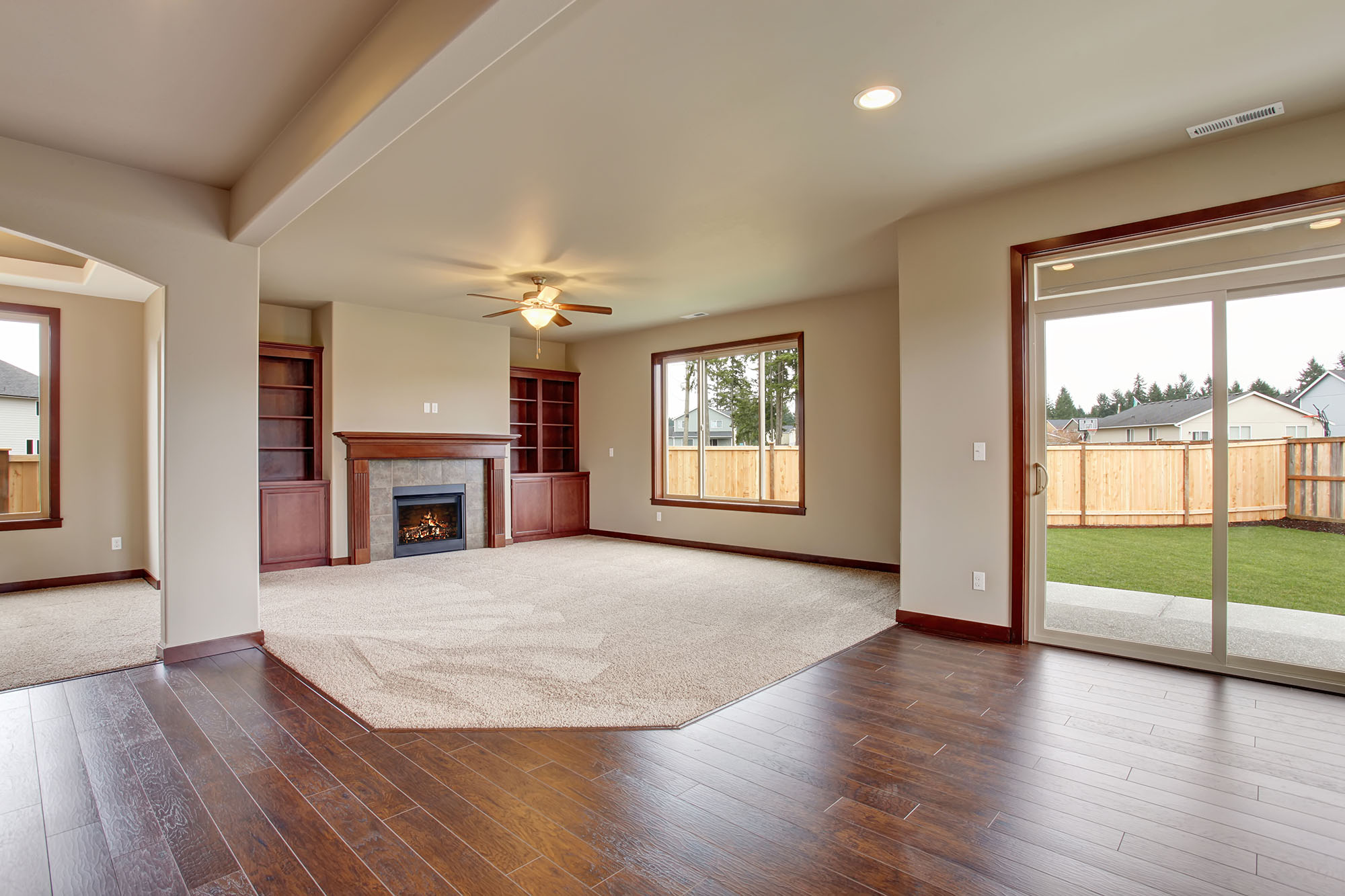
Adding an area rug to your living room or entryway is one of the quickest ways to warm up a space, soften foot traffic, and bring texture into your interior design. However, many homeowners buy a beautiful rug and toss a cheap, standard rug pad underneath without a second thought. What sits directly against your hardwood floors matters just as much as the wood finish itself.
The wrong backing can discolor wood, leave gummy residues, or cause premature wear on expensive finishes. Choosing sustainable, non-toxic rug backing preserves your hardwood investment while maintaining healthy indoor air quality.
The Hidden Problem with Conventional Plastic Pads
Standard non-slip rug pads are typically made from cheap polyvinyl chloride (PVC) or synthetic rubber loaded with chemical plasticizers. These plasticizers give the material its flexible, tacky grip. Over time, plasticizers react chemically with hardwood finishes—especially oil-based polyurethanes and natural wax finishes.
This reaction causes the plastic pad to stick to the wood floor, transferring a grid pattern or leaving a sticky film that is nearly impossible to strip off without sanding down the timber. Synthetic backings also off-gas volatile organic compounds (VOCs), which pollute your indoor air for months after installation.
Truly Eco-Friendly Rug Backing Options
To protect both your hard surfaces and your indoor environment, look for natural materials that grip naturally without synthetic chemicals.
100% Natural Rubber: Harvested sustainably from rubber trees, natural natural rubber offers firm traction without plasticizers. It will not stick to, stain, or react with hardwood finishes.
Recycled Felt & Natural Rubber Combos: A combination of recycled post-industrial felt cushion topped with a natural rubber grip layer gives you plush comfort underfoot alongside firm protection.
Unbacked Organic Jute or Cotton Pads: For area rugs that sit under heavy furniture where slippage is not an issue, plain felted wool or thick organic cotton pads cushion your floor without synthetic coatings.
Caring for Wood Floors in Northern Colorado
Living along the Front Range means dealing with distinct seasonal shifts. Between dry winter air and sand or grit tracked inside from trail hikes, your hardwood floors face unique challenges. Homeowners across Loveland, as well as nearby communities like Boulder and Longmont, often deal with grit grinding into wood finishes under unpadded rugs.
A high-quality, eco-friendly rug pad acts as a shock absorber. It traps fine dust particles in the felt layer above the floor rather than letting grit rub back and forth against the polyurethane sheen.
Choosing the Right Thickness and Fit
Always select a rug pad trimmed about one inch shorter than the perimeter of your area rug. This allows the rug edges to taper naturally toward the floor, preventing tripping hazards and keeping the pad hidden. Choose thin 1/16-inch natural rubber pads for runners and high-traffic entry doors, while pairing thicker 1/4-inch recycled felt pads with living room rugs for extra comfort underfoot.
Invest in natural materials beneath your feet to ensure your hardwood floors stay pristine for decades.


