

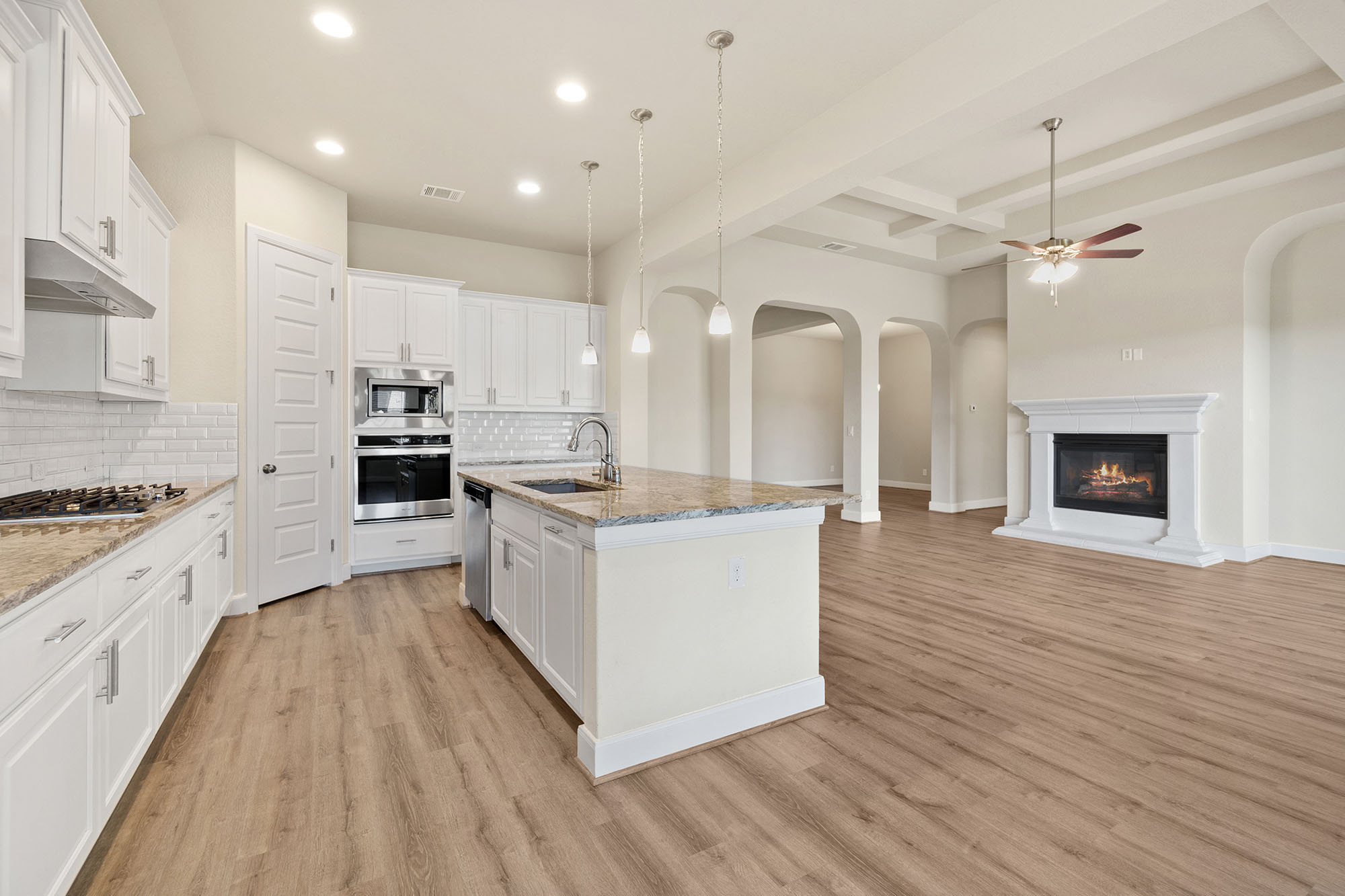
For years, eco-conscious homeowners faced a difficult compromise: choose natural, sustainable flooring materials that sensitive to moisture, or pick waterproof synthetic plastics like traditional vinyl (LVT) that rely heavily on petroleum products and phthalates.
Thankfully, modern manufacturing has changed the equation. Eco-friendly, water-resistant laminate offers a sustainable, non-toxic alternative that withstands daily spills, muddy paws, and moisture without compromising environmental standards.
How Eco-Laminate Resists Water Without Toxins
Older laminate flooring had a reputation for swelling and warping at the slightest hint of standing liquid. Today’s eco-friendly water-resistant laminates solve this through smart engineering rather than heavy chemical coatings:
High-Density Fiberboard (HDF) Cores: Modern eco-laminates use densely compressed wood fibers harvested from sustainable pine and hardwood thinnings. The high density naturally slows water absorption.
Hydrophobic Edge Treatments: Planks are treated along the click-lock joints with organic paraffin wax or bio-based water repellents, preventing moisture from seeping into vulnerable joints.
Tightly Sealed Click Systems: Precision-milled locking mechanisms press planks together so tightly that surface spills cannot easily penetrate beneath the floorboards.
Built for Active Colorado Lifestyles
Active households need flooring that handles real life. Snow melting off boots near the entryway, sloshing water bowls, and accidental kitchen spills can ruin traditional flooring if not wiped up immediately.
For homeowners in Loveland, as well as surrounding communities like Longmont and Boulder, water-resistant eco-laminate provides peace of mind. It delivers the warm look of natural timber without requiring stressful maintenance or worry during wet winter weather and summer mud seasons.
Lower Environmental Footprint Than Plastic Flooring
While Luxury Vinyl Plank (LVP) is often marketed for its waterproof capabilities, it relies heavily on polyvinyl chloride (PVC) plastics, softeners, and petroleum refining.
Eco-friendly laminate, by contrast, consists primarily of upcycled wood waste derived from sawmill residues. It sequesters carbon throughout its lifespan and avoids the heavy plasticizers found in synthetic options.
Simple Maintenance for Healthy Living
Keeping eco-friendly laminate clean requires zero harsh chemicals. To maintain your floors safely:
Sweep or vacuum regularly with a soft brush attachment to remove abrasive dirt.
Damp-mop using plain water or a mild, pH-neutral plant-based cleaner.
Avoid steam mops, as extreme heat can break down edge seals over time.
By pairing modern water-resistant technology with bio-based materials, you get durable floors that stand up to daily life while protecting your home's air quality.


