

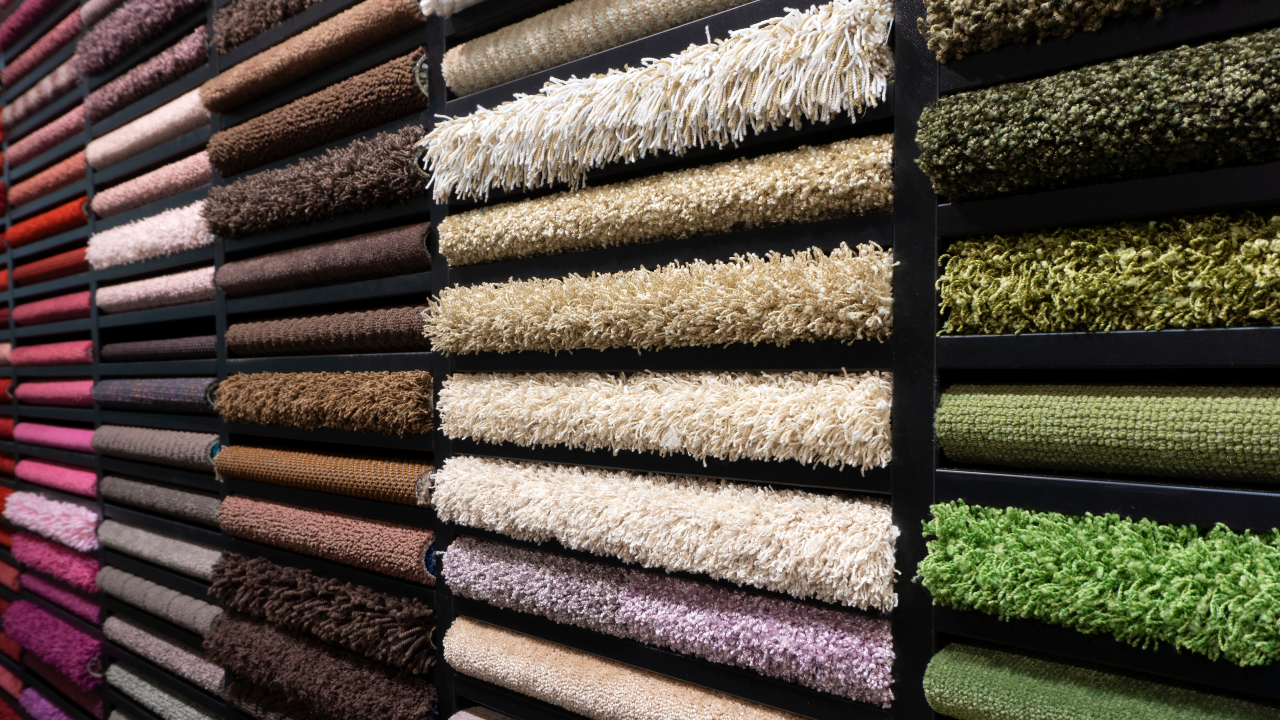
Designing a cozy home in Boulder means balancing outdoor living with indoor comfort. Between muddy hiking boots coming off Mount Sanitas, dogs running in after a snowy walk, and intense high-altitude sunlight pouring through your windows, flooring takes a real beating in Colorado. Area rugs and wall-to-wall carpets do a lot of heavy lifting—they trap warmth, absorb sound, and anchor your living spaces.
When choosing between natural wool and synthetic materials like nylon or polyester, Boulder homeowners often find themselves weighing long-term sustainability, comfort underfoot, and daily durability. Both materials have clear strengths, but understanding how they perform in our local climate will help you pick the right fit for your living room, bedroom, or entryway.
The Case for Natural Wool Rugs
Wool has been the benchmark for quality flooring for centuries, and for good reason. As a natural fiber, wool brings a level of richness and texture that synthetic fibers struggle to truly replicate.
In Boulder, where winter temperatures drop quickly once the sun dips behind the Flatirons, wool acts as a natural insulator. It traps warm air in its crimped fibers, keeping your floors noticeably warmer on chilly mornings. During warmer months, wool’s natural breathability prevents it from trapping muggy heat, making it comfortable year-round.
Key benefits of choosing wool for your home include:
Exceptional Resilience: Wool fibers possess natural elasticity. They spring back after being compressed by heavy furniture or high foot traffic, preventing the flat, matted look common in older synthetic rugs.
Inherent Stain and Soil Resistance: The outer layer of wool fibers contains natural lanolin oils that repel liquid spills and dry dirt. Spills tend to bead up on the surface rather than soaking in immediately, giving you time to wipe them clean.
Fire Safety: Wool is naturally flame-resistant and slow to ignite, adding a layer of peace of mind near fireplaces or wood-burning stoves.
Eco-Friendly Credentials: Wool is a renewable, biodegradable fiber sheared from sheep. For eco-conscious Boulder homeowners aiming to reduce plastics and petroleum-based products in their homes, natural wool is a clear winner.
The Synthetic Alternative: Nylon and Polyester
Synthetic rugs made from nylon, polyester, or polypropylene (olefin) offer a practical, budget-friendly alternative to natural fibers. Modern manufacturing has improved synthetic rug textures, making them softer and visually closer to natural textiles than ever before.
Nylon remains the strongest synthetic fiber on the market. It resists abrasion, handles high foot traffic well, and holds vivid dyes without fading quickly in sunny rooms. Polyester offers superior stain resistance and a remarkably soft texture underfoot, often at a lower price point.
For spaces prone to heavy moisture—like mudrooms where snow-covered boots settle, basements, or covered entryways—synthetic fibers can be an ideal choice because they dry quickly and do not support mold growth. They are also easy to spot-clean with mild household detergent without worrying about damaging sensitive natural fibers.
Comparing Performance for Boulder Homes
To decide between wool and synthetic rugs, consider where the rug will live and how your family uses the space:
Sun Exposure: Boulder gets over 300 days of sunshine a year. High UV exposure can cause synthetic dyes to fade or fibers to weaken over time. High-quality wool holds up remarkably well against sunlight when treated with colorfast dyes.
Indoor Air Quality: Natural wool fibers do not off-gas volatile organic compounds (VOCs). In fact, wool naturally absorbs common indoor pollutants like formaldehyde and nitrogen dioxide, improving indoor air quality in well-insulated homes. Synthetic rugs, particularly cheaper options with latex backing, can release minor VOC emissions when brand new.
Longevity vs. Initial Cost: Synthetic rugs cost less upfront, making them great for rental properties, kids' playrooms, or short-term decorating budgets. Wool rugs require a higher initial investment, but with proper care, a quality wool rug easily lasts 20 to 30 years or more, offering far better long-term value.
Finding the Ideal Rug with Go Green Flooring
At Go Green Flooring, we believe your floors should support both your lifestyle and the environment. Based right here in Boulder, our showroom carries an extensive selection of natural wool carpets and eco-friendly rugs alongside high-performance synthetic options. Whether you want to test samples in your own lighting or explore custom rug sizing, our local experts are here to help you make the best choice for your house.


